


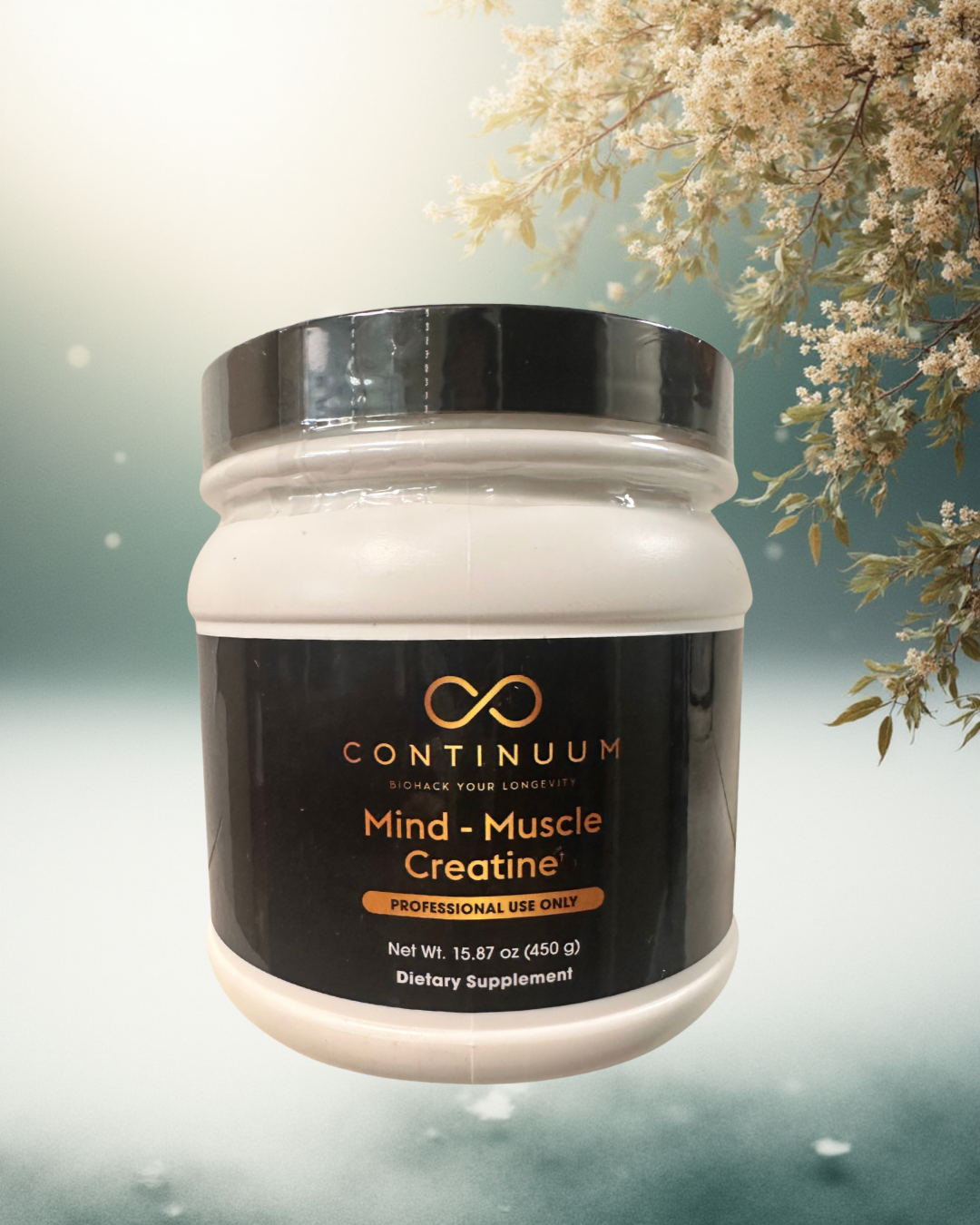
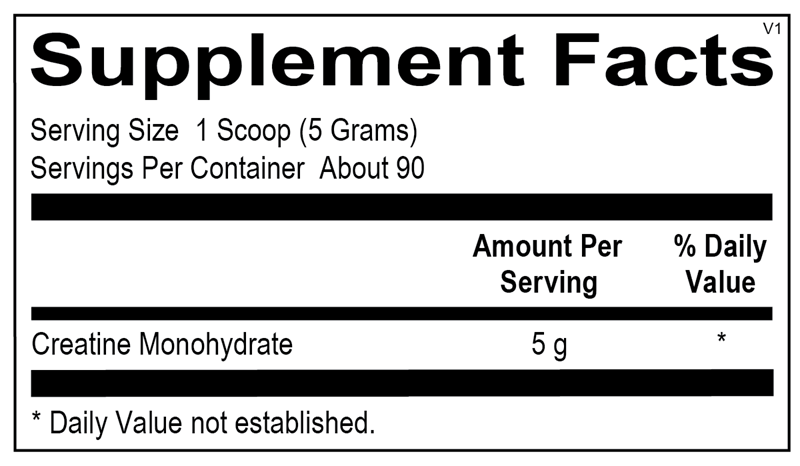
Mind-Muscle Creatine
- Regular price
-
$45.00 - Regular price
-
- Sale price
-
$45.00
Low on stock
Couldn't load pickup availability
 Secure Transaction

DESCRIPTION
Derived from amino acids, creatine is a naturally occurring compound that plays a key role in the body’s ability to produce energy. Roughly 95% of the body’s creatine is stored in skeletal muscle tissue, with a higher concentration in fast-twitch, type II muscle fibers. Within the muscles, creatine exists in two main forms—approximately two-thirds are stored as phosphocreatine (PCr), while the remaining one-third remains as free creatine. PCr serves as a rapid energy reserve, helping regenerate adenosine triphosphate (ATP), especially during bursts of physical activity. Creatine is produced endogenously at an amount of about 1 g per day.
Synthesis predominantly occurs in the liver, kidneys, and, to a lesser extent, the pancreas. The remainder of the creatine available to the body is obtained through the diet at about 1 g per day in an omnivore diet. Dietary sources of creatine include animal-based proteins, notably red meat and fish. Approximately 1–2% of intramuscular creatine is broken down and excreted through the urine each day. Supplemental creatine has been shown to enhance athletic performance and recovery, promote longevity and healthy aging, and support optimal cognitive function.
Athletic Performance and Recovery
Creatine monohydrate is one of the most extensively studied ergogenic aids in sports nutrition. Mechanistically, supplemental creatine increases intramuscular PCr stores, enhancing the cellular capacity to rapidly regenerate ATP during physical exertion. It may also exert osmotic effects that promote cell hydration and signaling, and it enables greater training volume and intensity, which in turn stimulates muscle protein synthesis and hypertrophy. The net result is a well-documented improvement in anaerobic performance parameters—creatine consistently increases maximal strength and power output, muscular work capacity, and lean body mass gains during resistance training. Creatine supplementation combined with resistance training has been shown to increase lean body mass in adults of any age.
In addition to its benefits for muscle performance, there is evidence that creatine supplementation enhances exercise recovery and reduces muscle lysis secondary to exercise. Studies report that creatine users experience less muscle enzyme release and soreness after intense exercise, indicating reduced muscle fiber lysis.
Cognitive Function
Creatine has also been studied for its neuroprotective and nootropic potential. Neurons and glial cells use PCr to maintain energy homeostasis, especially during cognitively demanding situations or metabolic stress. Research shows creatine can stabilize mitochondrial function, reduce reactive oxygen species, and prevent ATP depletion. These cognitive benefits are attributed to creatine’s capacity to bolster ATP availability in the brain, essentially “fueling” the neural circuits during demanding tasks. Recent research demonstrated that a bolus dose of creatine (0.3–0.4 g/kg) given to sleep-deprived volunteers was able to improve their cognitive performance and mood relative to placebo. In a landmark 2024 study, creatine acutely elevated brain PCr levels, resulting in better performance on tests of reaction time and working memory despite the lack of sleep. These results challenged the previous understanding that creatine only enhanced cognitive performance after long-term intake.
Healthy Aging
A decline in cognitive and physical health is considered a normal evolution of aging. The progressive loss of muscle mass, strength, and function is a major geriatric concern due to the consequential increase in falls and injuries that accompany muscle loss. Resistance exercise is the cornerstone intervention for muscle loss, and creatine supplementation has emerged as a valuable adjunct for older adults. Creatine supplementation combined with resistance training promotes greater muscle volume development than resistance training alone in older populations. For example, one meta-analysis in adults over 50 found creatine users averaged 3 lb more lean mass gain and notable strength increases over 12–24 week training periods versus those who do not supplement with creatine.
Additionally, emerging evidence suggests that supplemental creatine combined with exercise may aid bone maintenance. In older men, 10–12 weeks of creatine plus whole-body resistance training increased upper-limb bone mineral content and reduced markers of bone resorption compared to placebo. Furthermore, a 12-month randomized control trial in postmenopausal women found that adding creatine during a resistance training program preserves femoral neck bone mineral density and increases femoral shaft subperiosteal width, a predictor of bone bending strength.
As Seen on





Daily Supplements for Long-Term Health
-
1. Your Order
Talk with your physician and browse our inventory to find the best dietary supplements for you.
-
2. We Ship
Combine supplements with a healthy lifestyle to start promoting longevity & mind-body wellness!
-
3. Optimize Your Health
Support your long-term wellness with physician-regulated supplements designed to complement healthy daily habits and personalized care.
Join the Longevity Movement


R DrinkwaterDr Verma is hands down the best integrated practitioner. Have been a client for almost ten years. She kind and compassionate…yet stands strong in her convictions of treatment. My entire family uses her too. I trust her. So grateful to have Dr Verma in my life.
Bipasha PatelDr. Verma is well versed in her field. She is one of the top doctors that I would highly recommend to anyone who is looking for modern medicine and also holistic healing. She is very kind, she listens, and is understanding. She should be an exemplary of other doctor’s bed manners. She is very catering and very dedicated to her patients. I will never leave Dr. Verma. She is one of the best doctors in the Tampa Bay area and I would definitely recommend for any woman who is apprehensive to work with another female doctor, STOP; this is YOUR doctor. Any man who is skeptical about seeing a female doctor, STOP; met your match, she is just an overall proficient doctor for you or anyone. My family and adult children also work with her. She’s innovative and knowledgeable on all aspects. You’re missing out if you don’t go to Dr. Verma!
James SellersIt's refreshing to know that there are doctors like Dr. Verma that work tirelessly to find the root cause of a patient’s illness rather than just treating the symptoms indefinitely. Her knowledge as a double board certified physician in both family medicine and integrative medicine shows through in her advice and treatment to help patients find balance in mind, body, and spirit. I would recommend her practice to anyone who is tired of being on the medical and insurance hamsterwheel. Thank you Dr. Verma and staff for giving me some hope on my health revitalization journey.
Katie BlakeI have been under Dr. Verma’s care for a couple of years now and I have never been to a doctor that gives as much personal attention as she does. She is incredibly accommodating and genuinely cares about the role she plays in your health journey. Definitely a 5-star experience as this practice.
Alana O'HanlanDr Verma has helped me change my life! I am a better version of myself than I was when I started seeing her 18 months ago. I am on my way to optimal health with the help and guidance of Dr Verma! Highly recommend!
Krista CrawfordDr. Verma and her staff are always pleasant to work with. I’ve been a patient for several years through different stages of my life. Dr. Verma’s expertise and knowledge at getting to the root cause of what has been ailing me is always spot on. It may not always be what I want to hear but it is what is best for my health, both mentally and physically.
-
Berberine Balance
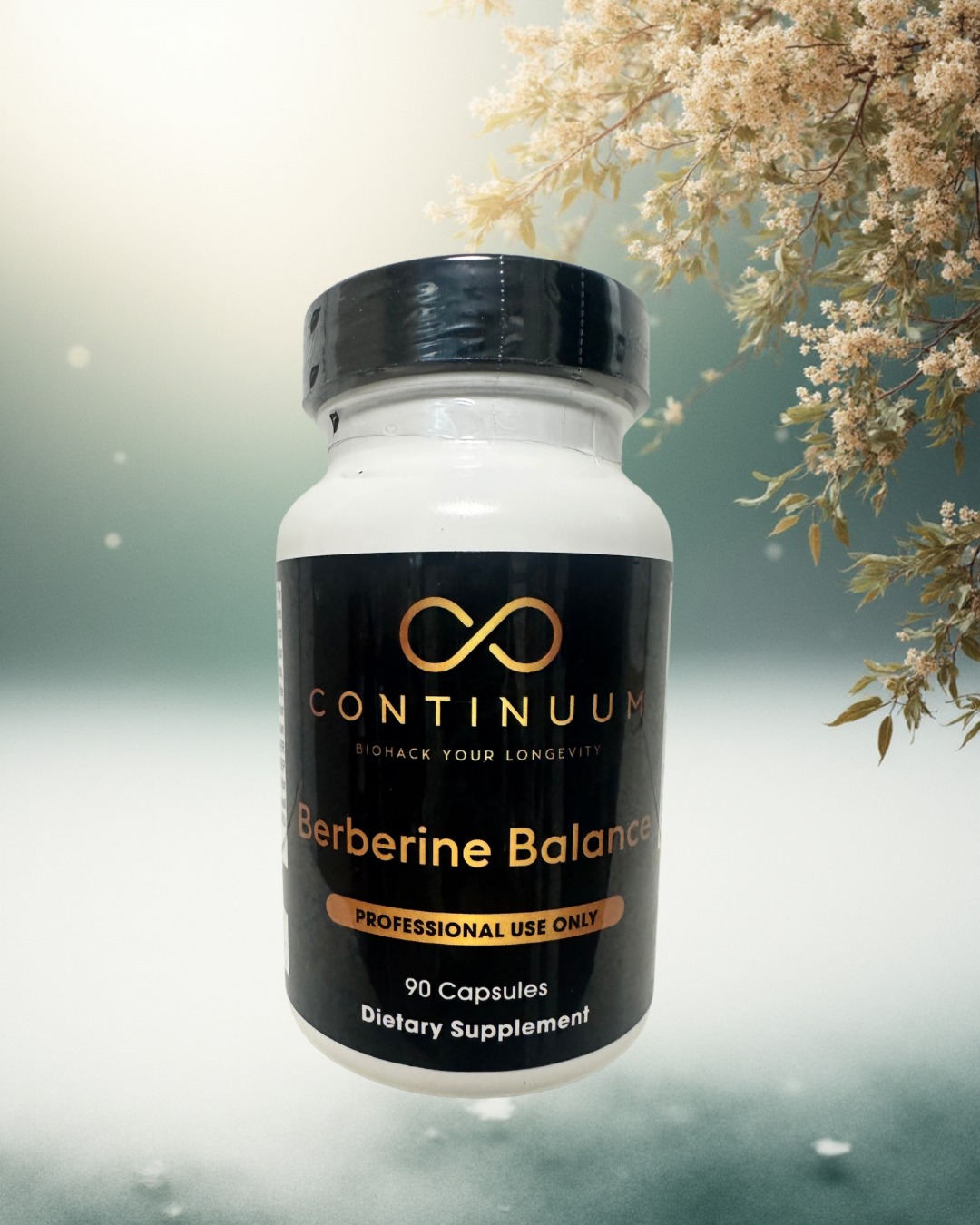 Berberine Balance
- Regular price
-
$55.00 - Regular price
-
- Sale price
-
$55.00
Low on stock